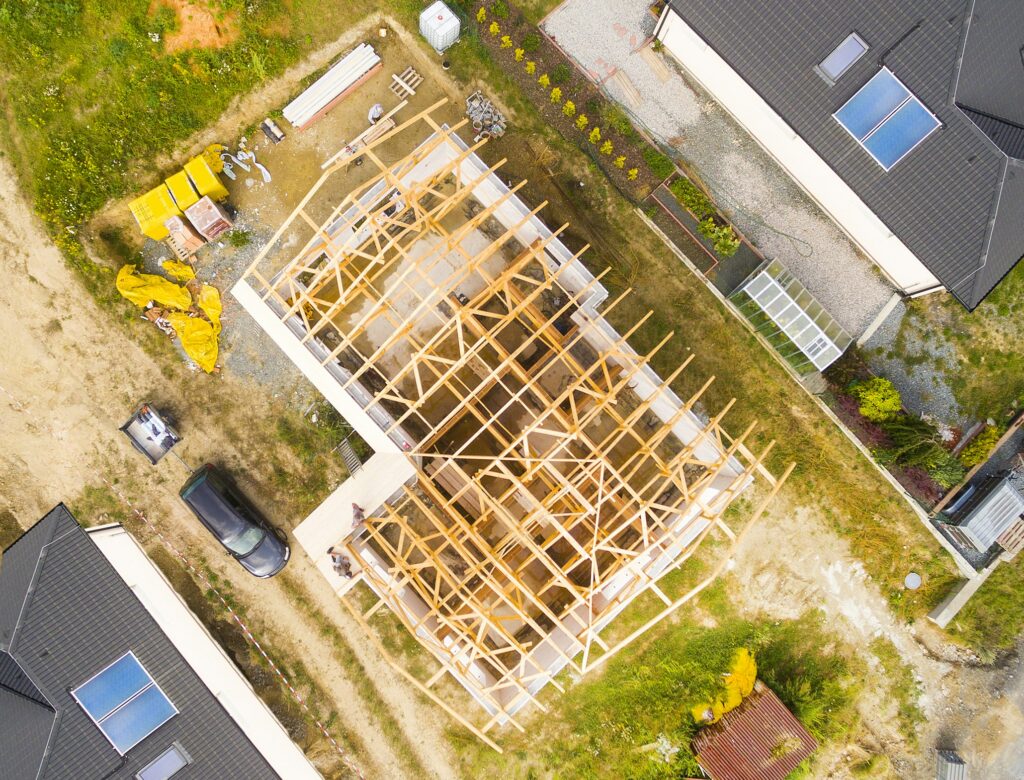


Planning to become a property owner? Understanding how mortgages work in Australia is crucial to help you purchase a property.
According to the Australian Bureau of Statistics, the national mean price of Australian dwellings surpassed the $1 million mark in the 1st quarter of 2025.
In this article, we will show you how mortgages can help you own a property despite the rising costs of residential dwellings in Australia.
What is a Mortgage
Typically, a mortgage is a type of loan that requires collateral to provide security to the lender. A mortgage is used to finance the purchase of your property, so you do not have to pay its full amount.
Then as a borrower, your repayments are scheduled in a timely manner which includes paying the principal amount plus the interest.
How Mortgages Work
When taking out a mortgage, most lenders in Australia will require a 20% deposit (based on the value of the property) from the borrower. The remaining 80% will be covered by the lender, then the lender will be listed as a mortgagee on the title deed of the property—until the borrower fully repays the loan or the loan is refinanced.
If you are eligible, some lenders offer low deposit amounts (typically between 7 to 10%), and the borrower needs to pay for Lender’s Mortgage Insurance (LMI) which may be offered a higher interest rate.
Want to know how much you can borrow? Our mortgage calculators can help you.
Types of Mortgages in Australia
In Australia, there are three main types of mortgages that are available to borrowers. The key to a successful mortgage is to understand their differences and match them with your financial situation and needs.
Fixed-rate Mortgage
Ideal for borrowers who want to have certainty about their repayments and budget, this type of mortgage has a ‘locked in’ rate of interest for a set period. Typically, between one and five years, your interest rate remains constant despite the lender’s rate changes. Your repayment will be the same during the fixed-rate term.
However, you will not be able to take advantage when the interest rate goes down. This loan will typically not allow you to make extra repayments—and if extra repayments are permitted—the total amount of extra repayments made is capped annually. These products generally attract higher fees for breaking the fixed loan agreement within the fixed-rate term.
Variable rate Mortgage
On the other hand, the interest rate for a variable rate mortgage changes over the life of the loan. When the interest rate put in place by your lender fluctuates, your interest rate and repayments will generally adjust, accordingly.
With this type of mortgage, you can add features such as making extra repayments, accessing redraw or even offsetting your mortgage balance.
Split Mortgage
Another option is to have a ‘split’ mortgage. Having multiple accounts between fixed-rate and variable rate loans will allow you to mitigate the disadvantages and reap the rewards of both.
What are the Requirements for a Mortgage in Australia
To secure a mortgage, you need to meet several requirements to showcase your ability to repay the loan. Below are some factors that the lenders will use to assess your financial situation:
- Income and employment stability – being a full-time employee or having a long-term contract will signify your ability to pay the loan. Typically, lenders will request your payslips, employment contracts, and tax returns to ensure the stability of your income.
- Credit history – your credit score and history will play a crucial role when applying for mortgage loans. Lenders will check how reliable you are in paying your past debts such as credit cards, personal loans and mortgages.
- Savings for deposit – most lenders will require 20% of the property value as a deposit plus costs that you need to pay outright. If you don’t have this amount available, don’t worry, there are other options available for low deposit loans.
- Expenses and debt – aside from your income stability, lenders will also check your debt-to-income ratio. This shows your lender that you have enough disposable income to pay your mortgage after covering your personal financial obligations.
- Identification – standard identification documents, such as your passport and driver’s license, will be required to comply with anti-money laundering regulations.
- Citizenship/residency – to secure a loan, generally, you need to be an Australian citizen or a permanent resident in Australia. However, there are non-resident loans available in the market that require additional requirements.
Where can I get a Mortgage in Australia
Below are several options for obtaining a mortgage in Australia.
- Mortgage brokers
- Major banks
- Smaller banks and credit unions
- Non-bank lenders
Here is a comparison of the options to help you decide which option to choose.
| Mortgage Brokers | Major Banks | Smaller Banks & Credit Unions | Non-Bank Lenders | |
| Loan Product Access | Has a wide range of loan options from multiple lenders. | Limited to the bank’s loan products. | Limited to their loan products. | Limited to their specialised loan products. |
| Expert Advice | Tailored and unbiased financial solution advice to best fit your needs. | Their advice is focused on their loan products. | Their advice is focused on their loan products. | Their advice is focused on their loan products. |
| Time & Effort Saved | Saves you significant time in research and paperwork. | Requires extensive research for comparison and individual application. | Requires extensive research for comparison and individual application. | Requires extensive research for comparison and individual application. |
| Cost to Borrower | Typically, no cost to the borrower as the commissions are paid by the lenders. | Normally has bank fees. | Normally has bank fees. | Normally has lender fees. |
| Negotiation & Savings | Has a stronger ability to negotiate for better terms—due to deeper business volume. | Will communicate directly with the bank. Less flexibility in terms. | Will communicate directly. Less flexibility in terms. | Will communicate directly. Less flexibility in terms. |
Need Help in Getting Mortgage? Talk to Cresco
Need expert mortgage advice? At Cresco Finance, we have been providing expert and tailored mortgage advice to Australians for years. Take advantage of our simple and seamless process for your next mortgage loan application.
Get in touch with us here. Our team will be happy to assist you.
Frequently Asked Questions
How much does a mortgage cost in Australia?
Determining the interest rate for your loan can be highly individual. There are several factors that might affect the rates and their borrowing power. You may use our mortgage calculators to give you an idea of the interest rate and how much you can borrow.
Is it hard to get a mortgage in Australia?
There are several ways to obtain a mortgage loan in Australia. If you need tailored mortgage advice and help with the application, then consider working with a mortgage broker. With a mortgage broker, you can:
- Access a wide range of mortgage options
- Have an expert advice base on your financial situation and needs
- Save time on paperwork
- Save money on fees
How long will I pay my mortgage?
Typically, mortgage loans are long-term loans between 20 to 30 years due to the amount of the property and have affordable repayments. While there are short-term loans, the interest rate could be steeper.

Contact us
"*" indicates required fields